Start Strong as a Paraprofessional
Build the foundational skills, confidence, and knowledge you need to thrive in any classroom support role—whether you're helping students with disabilities, health needs, or language barriers.
Classroom support makes all the difference...
Classrooms are more inclusive, diverse, and dynamic than every before. Therefore, the demand for paraprofessionals has been steadily climbing over the past decade.
NASET's Paraprofessional Skills Preparation Program (PSPP) empowers you with practical strategies, expert guidance, and the foundational knowledge you need to thrive in this essential role—no matter the classroom or student population.
ENROLL NOWBut most paraprofessionals never receive formal training.
That means you're often left to learn on the job—without the tools, strategies, or clarity you need to feel confident and effective.
The result? Confusion, stress, and missed opportunities to truly support the students and teachers who rely on you.

What Does a Paraprofessional Actually Do?
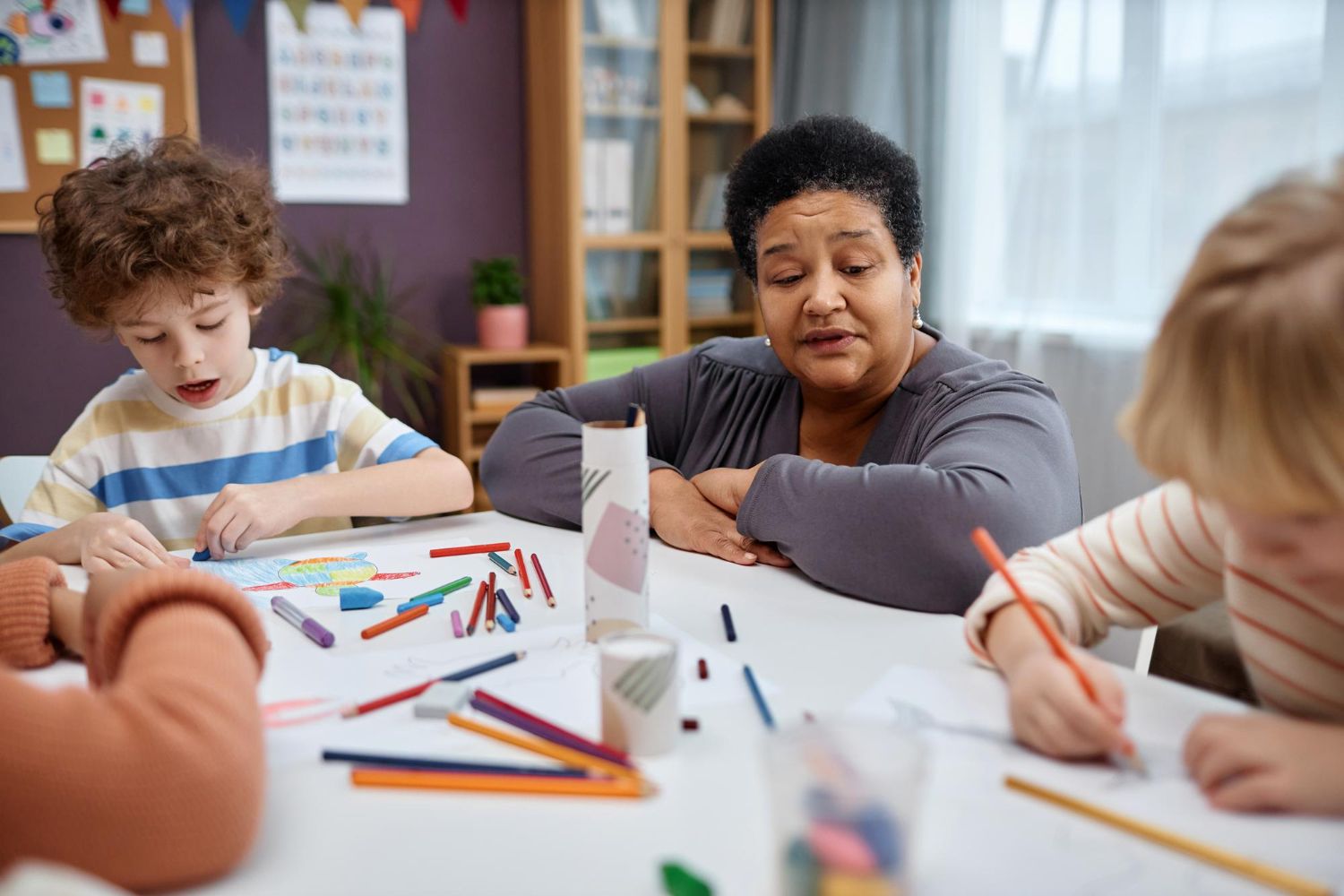
Paraprofessionals provide vital support to students and educators. Your responsibilities might include:
-
Assisting with academic instruction and classroom activities
-
Supporting students with disabilities, language needs, or health concerns
-
Helping implement behavior support plans
-
Providing personal care or mobility support
-
Monitoring progress and communicating with the education team
Great paraprofessionals don’t just help—they empower. This course helps you show up as a capable, compassionate, and confident professional from day one.
What You Will Gain
Understand the role of a paraprofessional across classroom contexts
Explore how paraprofessionals provide instructional, behavioral, and personal support to students with disabilities, health needs, or limited English proficiency.
Apply effective behavior management techniques
Learn practical strategies to support student behavior, maintain a productive classroom environment, and promote positive social interactions.
Support academic and social development
Discover how paraprofessionals contribute to students’ learning and growth—both academically and socially—within inclusive classroom settings.
Uphold legal and ethical responsibilities
Master key concepts like FERPA, confidentiality, professionalism, and ethical conduct in a school setting.
Collaborate with confidence
Strengthen your ability to communicate and work effectively with teachers, specialists, and school staff to support student success.
PLUS completion of this course awards you 25 study hour credits.
Is This Course Right for Me?
-
Are you a paraprofessional working in general or special education classrooms?
-
Are you a teacher assistant supporting students with IEPs, 504 Plans, or English language needs?
-
Are you preparing to apply for a paraprofessional position?
-
Are you part of a district or school onboarding new support staff?
-
Are you an individual exploring a career in education?
Then this course is for YOU!
Whether you're just starting out or looking to strengthen your skills, PSPP was designed to give you what most training programs miss: a clear, practical foundation for working in a variety of student support settings.

The
Paraprofessional Skills Preparation Program
What's in the Course
The PSPP curriculum is divided into five modules, each focused on critical skills and knowledge for paraprofessionals working in special education settings. Here's what you’ll explore:
Module 1: Roles and Responsibilities of Paraprofessionals
-
Define what it means to be a paraprofessional and explore common job titles.
-
Understand responsibilities across instructional support, behavior management, health services, and data collection.
-
Learn the distinctions between paraprofessional and teacher roles.
-
Review classroom organization, teaching strategies, and communication with parents.
-
Includes tools for observation, reporting, and setting objectives.
Module 2: Special Education Today: Basic Principles of Special Education
-
Learn what defines special education and the principles behind it.
-
Review classifications of disabilities recognized under IDEA.
-
Understand foundational legal mandates like FAPE and UDL.
-
Explore the steps in the special education process and the importance of appropriate language.
Module 3: Educating Children with Special Needs and Classroom & Behavior Management
-
Examine placement options across different educational environments.
-
Understand the structure and purpose of IEPs and related services.
-
Gain classroom and behavior management strategies tailored for paraprofessionals.
-
Learn how to motivate students and foster social interaction.
Module 4: Effective Communication and Collaboration with Teachers
-
Understand the dynamics of teaching, supervision, and discipline styles.
-
Learn communication techniques to enhance collaboration with teachers and support staff.
-
Review a four-part process for working with students and reporting performance.
-
Gain tools for planning, reflection, and maintaining a positive team relationship.
Module 5: Confidentiality, Professional Behavior and Ethical Responsibilities
-
Learn the legal framework of FERPA and best practices for maintaining confidentiality.
-
Review expectations for professional behavior including appearance, punctuality, and technology use.
-
Understand the ethical standards for relationships with students, teachers, and parents.
-
Explore strategies to avoid unprofessional conduct and promote dignity and respect.
Each module is supported by video lectures, PowerPoint presentations, supplemental readings, and additional videos to deepen your learning and practical application.
______
*Please Note: Each of the following National Association of Special Education Teachers' (NASET) courses entitle you to CE Study Hours. Each NASET CE Study Hour is based on the requirements of each course which are rated in hour(s) for reading, comprehension and the completion of an exam at the end of the course. Please be aware that NASET CE Study Hours are not a guarantee of acceptance of evidence of professional development by school districts, since every state and/or school district may have its own standards or requirements. To verify whether a NASET CE Study Hour is accepted by your school district or state, please contact your local or state education department.
This comprehensive course includes:
✔ Clear understanding of the paraprofessional role and responsibilities in real classrooms
✔ Practical classroom and behaviour management strategies you can apply immediately
✔ Step-by-step guidance on supporting students with special needs and IEPs
✔ Communication and collaboration skills for working effectively with teachers and teams
✔ Training on legal, ethical, and confidentiality requirements (e.g. FERPA)
✔ Structured modules with videos, resources, and assessments plus certification
MODULE DETAILSFAQs
What are the requirements for the Board Certification in Inclusion in Special Education?
Can I receive professional development, continuing education or graduate credit?
Do members receive a discount?
How long does it take to complete?
What is the passing score on exams?
Will I receive a certificate?
Do you offer payment plans?
Who do I contact with additional questions?
How PSPP Stands Apart
Most inclusion training programs lack oversight or consistent standards.
PSPP is different.
Developed by nationally respected institutions—NASET and AASEP—this board certification goes far beyond a weekend workshop. It’s a structured, comprehensive program built to develop true competence and credibility in the field.

Who is NASET?
The National Association of Special Education Teachers (NASET) is the leading professional organization dedicated exclusively to supporting special education teachers across the United States.
Committed to advancing excellence in the field, NASET promotes high professional standards, ongoing development, and advocacy to ensure that children with special needs receive the best education possible.
Founded by and for educators, NASET provides a trusted platform for research, resources, and recognition in special education.